
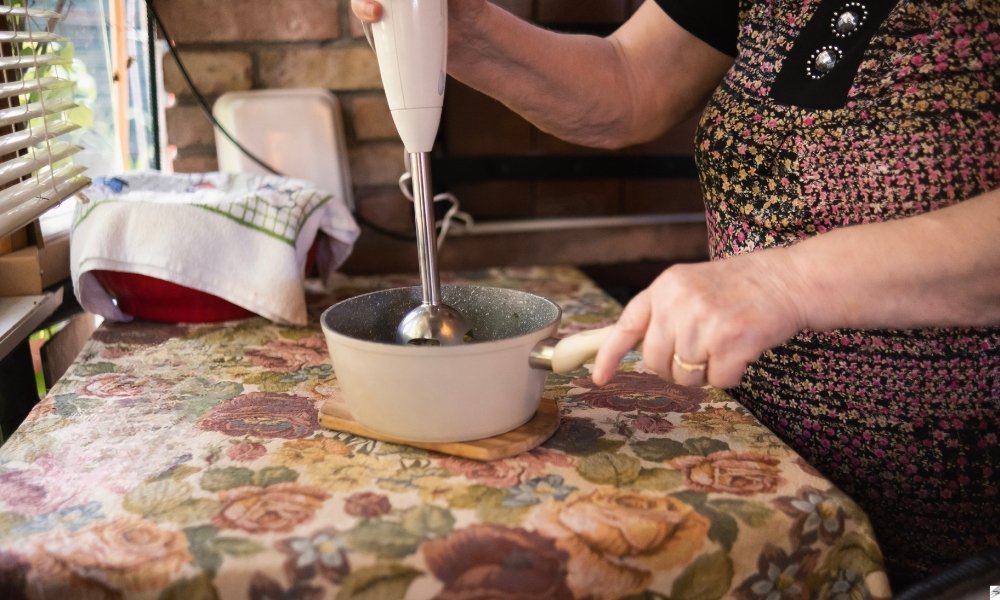
A hand blender is usually associated with smoothies, soups, and sauces, but it can also help with some chopping tasks. When used correctly, this handy kitchen tool can save time and reduce the need for extra equipment. However, it is important to understand which ingredients it can handle and how to use the blade attachment safely.If you are wondering how to use hand blender for chopping, the process is fairly simple. You need the right attachment, suitable ingredients, and a few basic techniques to get consistent results without damaging the appliance.
What Is a Hand Blender?
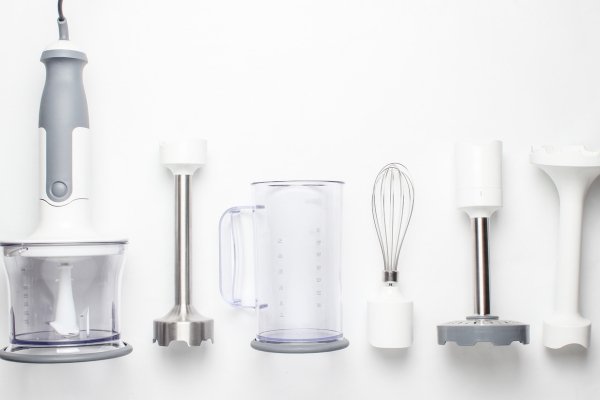
A hand blender, also called an immersion blender, is a compact kitchen appliance with a motorized handle and a blending shaft. Some models come with additional attachments, including a small chopping bowl with rotating blades.The blending shaft is mainly designed for pureeing and mixing. For chopping ingredients, you should use the dedicated chopper attachment when your model includes one. This provides better control and helps protect the main blending mechanism.
Can a Hand Blender Chop Food?
Yes, a hand blender can chop certain foods when used with the appropriate attachment. A chopper bowl is particularly useful for ingredients such as onions, garlic, herbs, nuts, and some vegetables.The result depends on the ingredient, blade design, and how long you operate the appliance. Short pulses generally work better than running the motor continuously.It is also important to avoid ingredients that are too hard or large for your specific model.
Choose the Right Chopping Attachment
Before starting, check whether your hand blender includes a chopping bowl or food processor attachment. This attachment normally contains a small container and a sharp rotating blade.Place the blade securely inside the bowl before adding ingredients. Make sure the lid locks properly onto the container and connects firmly to the motorized handle.If your hand blender does not include a chopping attachment, do not assume that the blending shaft can safely perform every chopping task.
Prepare Ingredients Before Chopping
Proper preparation makes a noticeable difference. Large ingredients should be cut into smaller pieces before placing them in the chopping bowl.For example, cut an onion into several chunks rather than putting a whole onion into the container. Remove thick stems, seeds, pits, or tough outer layers when necessary.Smaller, similar-sized pieces allow the blades to work more evenly and reduce unnecessary strain on the motor.
How to Use a Hand Blender for Chopping
Once the ingredients are prepared, follow these basic steps:
- Place the chopping blade inside the bowl.
- Add the prepared ingredients.
- Close the lid securely.
- Attach the motor unit according to the manufacturer’s instructions.
- Plug in the appliance.
- Use short pulses to chop the food.
- Stop occasionally and check the texture.
- Continue until the ingredients reach your preferred size.
- Unplug the appliance before removing the lid or blade.
Avoid holding the power button continuously for too long. Short pulses give you greater control and help prevent ingredients from becoming too finely processed.
Use Short Pulses for Better Results
Pulsing is one of the most useful techniques when chopping with a hand blender attachment. Instead of running the motor continuously, press the button briefly and release it.Check the food after several pulses. If some pieces remain larger than others, gently shake the container if the manufacturer’s instructions allow it, then pulse again.This approach is especially helpful with onions, herbs, garlic, and nuts because they can quickly change from chopped to finely minced.
What Foods Can You Chop?
A chopping attachment can handle many everyday ingredients. Common options include:
- Onions
- Garlic
- Fresh herbs
- Chilies
- Nuts
- Carrots
- Celery
- Cooked vegetables
- Bread for crumbs
- Small amounts of cheese
Always check your appliance manual because attachment capacity and ingredient recommendations vary between models.
Foods You Should Avoid
Not every ingredient is suitable for a hand blender chopper. Very hard foods, large frozen pieces, bones, and extremely dense ingredients can damage the blades or overload the motor.You should also avoid filling the container beyond its maximum capacity. Overloading prevents ingredients from moving properly and may produce uneven results.If you are uncertain about a particular ingredient, check the manufacturer’s instructions before processing it.
How to Chop Onions Without Making Them Too Fine
Onions are one of the easiest ingredients to process with a chopper attachment. Peel the onion and cut it into several pieces before placing them in the bowl.Use a few short pulses and check the texture after each one. If you continue blending for too long, the onion can become mushy.For salsa, sauces, or cooking, stop when the pieces reach the size you need rather than trying to achieve a perfectly uniform texture.
How to Chop Herbs and Garlic
Fresh herbs and garlic require even less processing time. Place clean, dry herbs in the chopping bowl and use very short pulses.For garlic, remove the outer skin before adding the cloves. If you need finely chopped garlic, a few quick pulses may be enough.Avoid excessive processing because herbs can quickly turn into a paste when exposed to fast-moving blades.
Common Mistakes to Avoid
Several simple mistakes can affect the final result. One common problem is filling the container too much. Another is using large pieces that make it difficult for the blades to process the ingredients evenly.Running the motor continuously can also produce an unwanted puree instead of a chopped texture.Other mistakes include ignoring the maximum fill line, using unsuitable foods, and removing the blade before disconnecting the appliance from power.Taking a little extra care can make the process safer and more effective.
Cleaning the Chopper Attachment
After using the chopper attachment, proper cleaning helps keep it fresh and ready for your next meal. First, unplug the immersion blender and carefully remove the attachment. Wash the bowl, lid, and blade with warm soapy water, taking care around the sharp edges. Allow all parts to dry completely before storing them. For more useful blending and soup-making tips, check out this guide on How to Use an Immersion Blender for Soup.
Safety Tips for Using a Hand Blender
Safety should always come first when working with rotating blades. Keep your fingers away from the blade and never try to remove food while the appliance is connected to power.Do not operate the motor without the attachment properly secured. Also, avoid exceeding the recommended operating time or container capacity.If the motor becomes unusually hot, smells strange, or makes an abnormal noise, stop using the appliance and allow it to cool before checking the manufacturer’s guidance.
Final Thoughts
Learning how to use hand blender for chopping can make everyday food preparation faster and more convenient. With a suitable chopping attachment, properly prepared ingredients, and short pulses, you can handle many small chopping jobs without reaching for a full-size food processor.The key is to work in small batches, avoid unsuitable ingredients, and check the texture frequently. Most importantly, always follow the instructions supplied with your particular hand blender. With a little practice, this compact appliance can become a useful part of your everyday kitchen routine.