
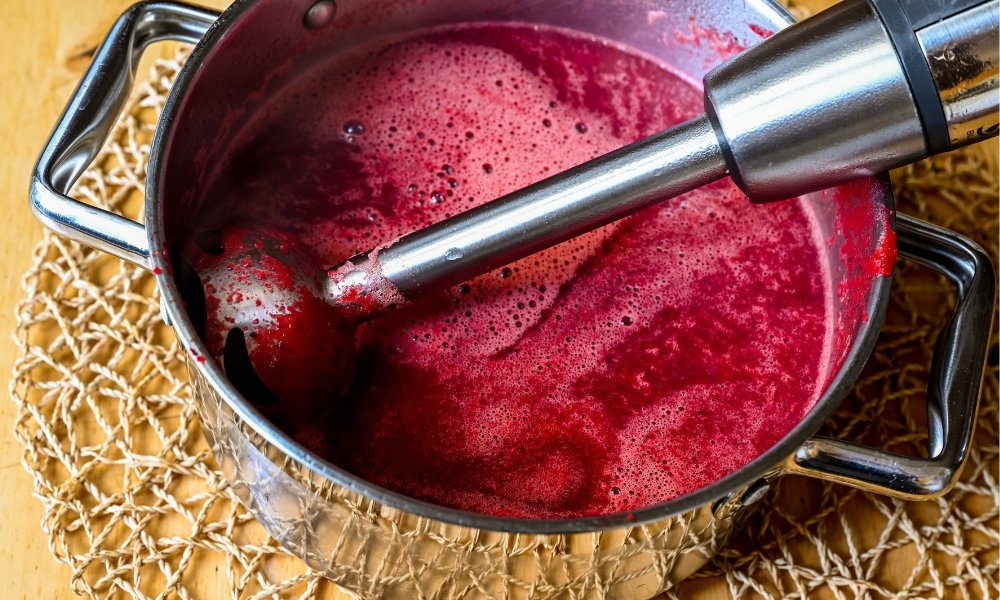
Making homemade soup does not always require a countertop blender or complicated kitchen equipment. An immersion blender can turn cooked vegetables and other soft ingredients into a smooth, creamy soup right inside the cooking pot. It is simple to handle, easy to clean, and useful for both small and large batches.If you want to learn how to use immersion blender for soup, a few basic techniques can help you get a smooth texture while avoiding common mistakes.
What Is an Immersion Blender?
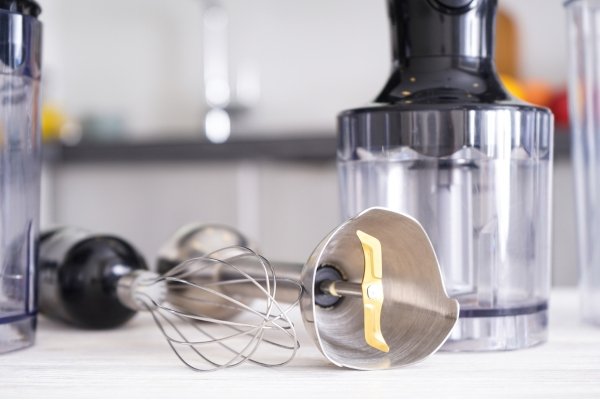
An immersion blender, also called a stick blender, is a handheld kitchen appliance with a motorized blending head. Unlike a traditional blender, you can place it directly into a pot, bowl, or container.Therefore, this design makes it especially convenient for preparing soups.. You do not need to transfer hot ingredients between containers, which can save time and reduce messy spills.
Why Use an Immersion Blender for Soup?
An immersion blender offers several advantages when preparing soup.First, it allows you to blend the ingredients directly in the pot. This means fewer dishes to wash afterward. It also gives you more control over the final texture. You can blend until the soup becomes completely smooth, or stop earlier if you prefer a slightly chunky consistency. Moreover, it is very convenient.After the vegetables become tender, you can blend them without waiting for the soup to cool completely or transferring it to another appliance.
Prepare the Soup Before Blending
Before using the appliance, make sure the soup is ready for blending. Vegetables such as potatoes, carrots, onions, squash, and cauliflower should become soft enough for the blender to process easily.If the ingredients remain hard, the blender may struggle to produce an even texture.Check the liquid level as well. Soup should contain enough broth, water, milk, or another suitable liquid to allow the blades to move freely.
How to Use an Immersion Blender for Soup
First, turn off the heat or reduce it to a very low level. Then, place the blender head into the soup before switching it on. Finally, keep the blade completely submerged.Starting the blender while the head is above the liquid can cause hot soup to splash.Turn the appliance on at a low speed if your model has multiple settings. Move the blender slowly around the pot, reaching different areas so that all the ingredients receive attention.Keep the blending head near the bottom of the pot rather than lifting it out of the liquid while the motor is running.Continue blending until the soup reaches your preferred consistency.
Move the Blender Slowly
A gentle movement usually produces better results than moving the appliance too quickly.Slowly guide the blender from one section of the pot to another. You can also make small up-and-down movements while keeping the blade submerged.Avoid pulling the blender completely out of the soup while it is operating. Doing so can create splashes and make a hot kitchen mess.Patience is especially important when preparing creamy vegetable soups because some pieces may need a little extra blending.
How Long Should You Blend Soup?
The blending time depends on the ingredients and the texture you want.A small batch of soft vegetables may become smooth within a minute or two. Larger quantities or fibrous ingredients can require additional time.Instead of following a strict time limit, check the texture as you blend. Stop when the soup looks as smooth or as textured as you prefer.If you want a rustic soup, blend briefly. For a silky texture, continue until most visible pieces disappear.
Tips for Getting a Smooth Texture
A few simple techniques can improve the final result.
- Cook vegetables until they are completely tender.
- Keep enough liquid in the pot.
- Blend slowly and evenly.
- Work around the entire pot.
- Avoid filling the pot too deeply.
- Taste the soup after blending and adjust the seasoning.
For an extra-smooth finish, you can pass the blended soup through a fine-mesh strainer. This step is optional but useful when making elegant soups for special meals.
Be Careful With Hot Soup
Hot soup requires extra attention when using a handheld blender. Splashes can cause serious burns, so always keep the blending head beneath the surface.If your soup is boiling strongly, remove it from the heat and allow the bubbling to settle before blending. You can then blend carefully while the soup remains warm.It is also helpful to wear an oven mitt when holding the pot handle, particularly if the pot has become very hot.
Common Mistakes to Avoid
One common mistake is lifting the blender while it is still running. This can send soup splashing across the stove or countertop.Another mistake is blending ingredients that are not soft enough. Hard vegetables can make the process slower and may leave unwanted pieces behind.Adding too much liquid at once can also make the soup thinner than expected. Start with the amount needed to blend the ingredients and add more gradually if necessary.Finally, avoid rushing. Slow, controlled movements usually create a more consistent texture.
How to Clean an Immersion Blender
Cleaning the appliance soon after use makes the process much easier.Unplug the blender before cleaning it. If the blending attachment is removable, separate it from the motor section according to the manufacturer’s instructions.Wash the removable part with warm water and dish soap. Use a soft sponge or brush to remove food from around the blade.Never place the motor housing directly under running water unless the manufacturer specifically says that it is waterproof.Dry the attachment thoroughly before storing it.
Soups That Work Well With an Immersion Blender
An immersion blender works particularly well with soups made from soft, cooked ingredients.Creamy tomato soup, pumpkin soup, potato soup, carrot soup, butternut squash soup, pea soup, and cauliflower soup are popular choices.You can also blend bean or lentil soups when you want a thicker, creamier consistency.For soups containing meat, bones, or very tough ingredients, remove anything unsuitable for blending before using the appliance.
Can You Make Chunky Soup With It?
Yes. An immersion blender does not always have to produce a completely smooth soup.For a chunky texture, blend only part of the soup. You can move the blender through one section of the pot while leaving some vegetables whole.This method creates a thicker base while preserving pieces of vegetables for extra texture.It is a useful approach when you want something between a smooth puree and a traditional chunky soup.
Final Tips for Better Results
Choosing the right blender for crushing ice starts with looking at its motor power. A higher-wattage blender can handle hard ice more easily and deliver smoother results. However, wattage is not the only thing that matters. Blade quality and jar design also affect how well a blender performs. If you want to learn more, read How Many Watts for Blender to Crush Ice? before choosing a blender for your kitchen.
Final Thoughts
Learning how to use immersion blender for soup is simple once you understand the basic technique. Prepare soft ingredients, keep the blender submerged, blend gradually, and stop when the soup reaches the texture you want.
Because you can blend directly in the cooking pot, this handy appliance can save both preparation time and cleanup effort. With proper care and safe handling, it can become one of the most useful tools in your kitchen.