
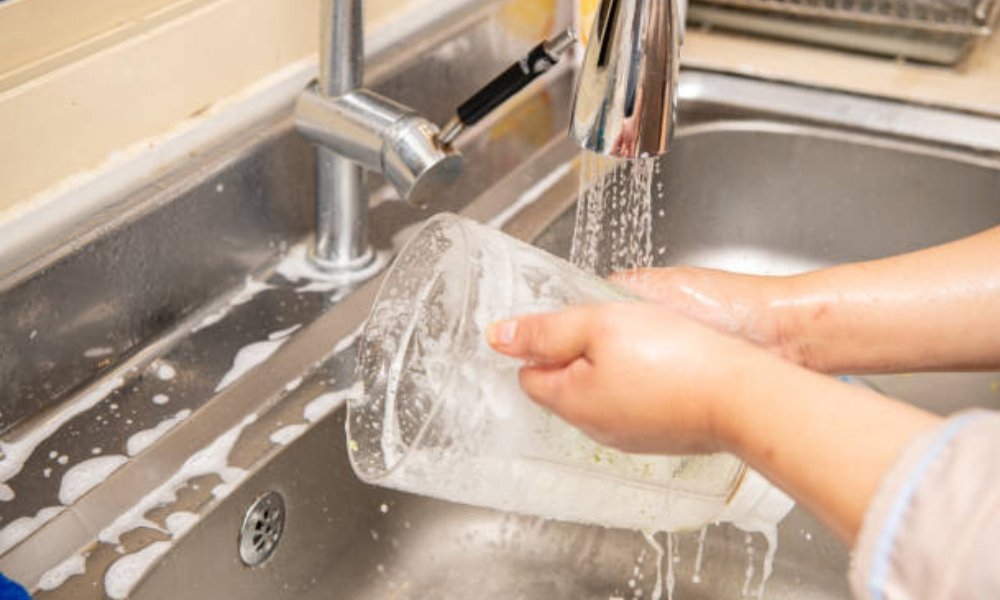
Learning how to clean a blender is important for keeping your appliance fresh, hygienic, and ready for everyday use. Food residue can stick to the blades, jar, lid, and other parts after blending. Regular cleaning helps prevent unpleasant odors and makes the blender easier to maintain.Warm water, mild dish soap, and a soft sponge are usually enough for everyday cleaning. With the right steps, you can clean your blender safely without spending much time.
Unplug the Blender First
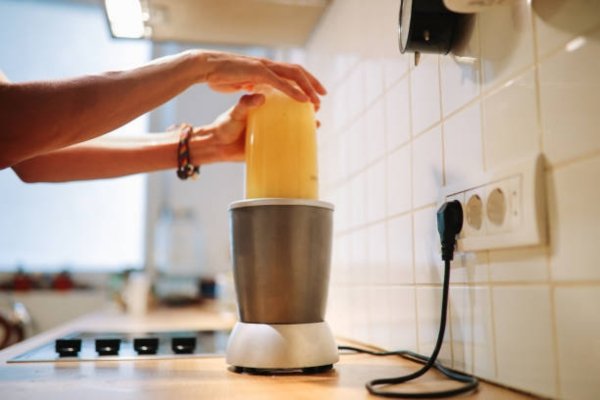
Before cleaning, unplug the blender from the power outlet. This simple step helps prevent accidental starts while you handle the jar or blades.Never place the motor base in water. Keep it away from the sink and wipe it with a slightly damp cloth instead.
Remove the Blender Jar
Take the jar off the motor base carefully. If your model has a removable blade assembly, follow the manufacturer’s instructions before taking it apart.Handle the blades carefully because they can be very sharp. Avoid touching the cutting edges directly.
Remove Leftover Food
Check the jar for food residue. Use a soft spatula to remove thick ingredients that stick to the sides.Do not use metal tools on plastic or glass surfaces. They can leave scratches and damage the container over time.
Use Warm Water and Dish Soap
Fill the jar with warm water and add a small amount of mild dish soap. Put the lid on securely.Run the blender on a low setting for a few seconds. The soapy water can loosen food stuck around the blades and inside the jar.Unplug the appliance again before emptying the jar.
Clean the Blades Carefully
Blades often collect food particles because ingredients pass directly through them. Rinse the blade area under running water if your manufacturer’s instructions allow it.Use a soft brush to reach difficult areas. Keep your fingers away from the sharp edges.If the blade assembly is removable, clean it separately according to the care instructions.
Wash the Lid and Other Parts
Wash the lid, seal, measuring cap, and other removable pieces with warm soapy water.Pay attention to small grooves and rubber seals. Food can easily hide in these areas.Rinse each piece well to remove soap residue.
Clean the Motor Base
The motor base needs a different cleaning method. Never immerse it in water.Instead, unplug the blender and wipe the base with a damp cloth. Use a soft cloth to clean around the buttons and controls.Dry the surface afterward to prevent moisture from entering the electrical parts.
Rinse Everything Thoroughly
After washing, rinse the jar and removable parts with clean water. Make sure no soap remains around the blades, lid, or seals.Soap residue can affect the taste of food and drinks, so take a moment to rinse each part properly.
Dry the Blender Parts
Let the removable parts air-dry completely before putting the blender back together.You can place the jar, lid, and other pieces on a clean drying rack. Avoid storing damp parts because trapped moisture can cause unpleasant odors.
Remove Lingering Odors
Some ingredients, such as garlic, onions, or spices, can leave strong smells behind. If a normal wash does not remove the odor, rinse the jar again and let it dry completely.For stubborn smells, follow the cleaning method recommended by your blender manufacturer. Different materials may require different care.
Clean the Blender After Each Use
Regular cleaning makes the job much easier. Rinse the jar soon after blending instead of allowing food to dry inside.A quick rinse can remove most fresh residue. You can then wash the parts properly when needed.This habit also helps prevent old food from building up around the blades and seals.
Avoid Common Cleaning Mistakes
Do not use abrasive cleaners or rough scrubbers unless the manufacturer recommends them. They can scratch the jar or damage its finish.Do not submerge the motor base. Also, never reach into the jar carelessly because the blades can cause cuts.Always check the user manual before placing removable parts in a dishwasher.
How Often Should You Clean a Blender?
You should clean the blender after every use. A quick rinse works for simple drinks, while a full wash works better after thick or sticky foods.Deep cleaning may be useful when you notice stains, odors, or residue around the seals and blade area.Regular care keeps the blender cleaner and helps it stay ready for everyday use.
Final Tips for Better Blender Care
Taking proper care of your blender helps it work smoothly and last longer. After making a milkshake, clean the jar, blades, and other removable parts to prevent sticky residue from building up. Avoid leaving leftover milk or ice cream inside for too long, as it can create unpleasant odors. Use the appropriate speed when blending thick mixtures, and avoid overloading the jar. For more guidance on choosing the right speed for a milkshake, read What Blender Setting for Milkshake?.
Conclusion
Learning how to clean a blender does not have to be difficult. With a few simple steps, you can remove food residue, clean the blades, wash the removable parts, and keep the motor base dry.Regular cleaning takes only a few minutes but makes a big difference. Clean your blender after each use, dry its parts properly, and follow the manufacturer’s care instructions for the best results.