
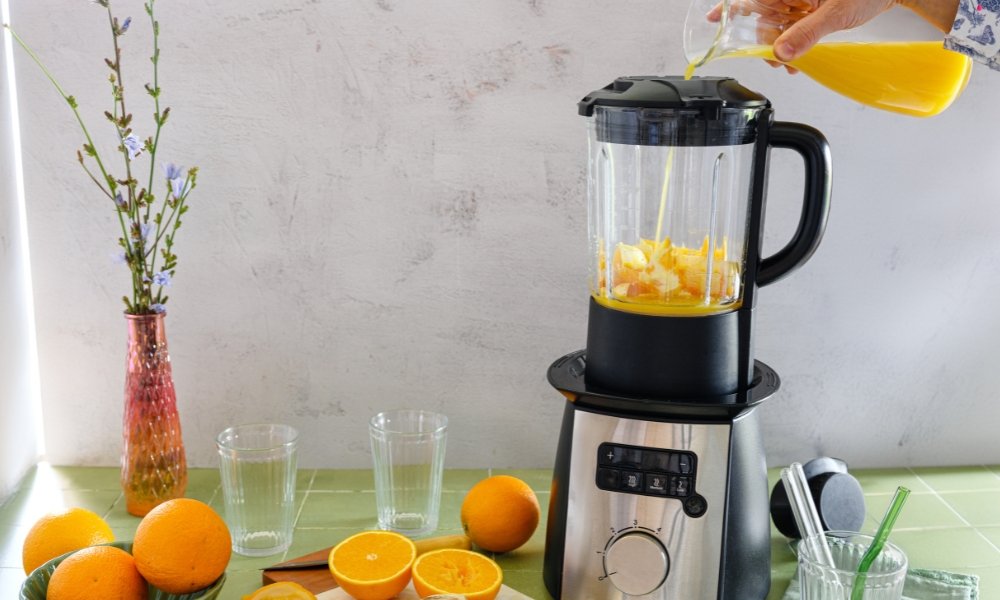
Choosing the right blender can make everyday cooking much easier. Whether you want to prepare smoothies, soups, sauces, shakes, or frozen drinks, the right machine can save time and effort. However, with so many models available, it can be difficult to know which features actually matter.Before buying one, it is important to consider its power, capacity, blade quality, speed settings, durability, cleaning process, and overall design. This guide explains what to look for in a blender so you can choose a model that suits your kitchen and cooking habits.
1. Consider the Blender’s Power
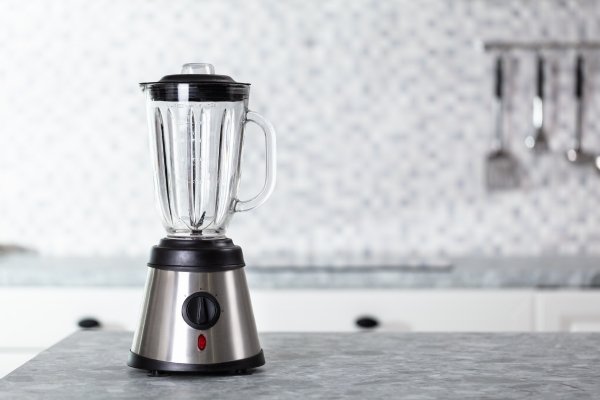
Motor power is one of the first things to check when comparing different models. A stronger motor generally handles tough ingredients more easily.If you mainly make soft fruit smoothies, soups, or simple sauces, you may not need a very powerful machine. On the other hand, frequent use with ice, frozen fruit, nuts, or fibrous vegetables requires more power.Do not choose a model based on wattage alone. Look at the overall build and how the motor is designed to handle regular use.
2. Choose the Right Jar Capacity
The size of the container should match the amount of food or drinks you normally prepare.A small jar works well for one person or small portions. Medium-sized containers are useful for couples or small families, while larger jars are convenient when preparing several servings at once.Remember that a bigger container also needs more storage space. Consider your kitchen counter and cabinet space before making a decision.
3. Check the Blade Design
Blades play an important role in blending performance. Good blades should move ingredients around the container while breaking them down evenly.Stainless steel blades are popular because they are durable and resistant to corrosion. Some designs use multiple blades positioned at different angles to improve mixing.Instead of focusing only on the number of blades, consider their construction, shape, and ability to process the ingredients you use most often.
4. Look at Speed Settings
Different ingredients require different blending speeds. A blender with multiple speed options gives you better control over food texture. A lower speed works well for gentle mixing. Higher speeds are useful for smoothies and tougher ingredients. Some models also include preset programs for common tasks. Variable speed control is helpful if you regularly prepare different types of recipes.
5. Check for a Pulse Function
A pulse button can be surprisingly useful. It gives you short bursts of power instead of running the motor continuously. This feature works well for chopping ingredients and crushing ice. It can also help you achieve a slightly chunky texture. The pulse setting gives you more control when you do not want to fully puree your ingredients. If you enjoy trying different recipes, this feature can be very useful.
6. Consider the Material of the Jar
Blender containers commonly come in plastic, glass, or other durable materials. Each option has advantages.Plastic jars are usually lightweight and easy to handle. High-quality versions can also resist everyday wear. Glass containers are heavier but may feel more solid and are less likely to absorb food odors.When comparing materials, think about weight, durability, cleaning, and how often you expect to use the appliance.
7. Think About Ease of Cleaning
When considering What to Look for in a Blender, ease of cleaning is an important factor. Cleaning should not become a difficult chore after every use. Look for a model with removable parts or a container that is easy to rinse. Some containers are dishwasher-safe, which can make cleanup more convenient. However, always check the manufacturer’s instructions before placing parts in a dishwasher. A simple design with fewer difficult-to-reach areas can also make regular cleaning easier.
8. Examine the Build Quality
A blender may look attractive, but appearance should not be the main deciding factor. Pay attention to the quality of the motor housing, buttons, jar, lid, and base.A sturdy base helps keep the appliance stable during operation. The container should fit securely without feeling loose.If you plan to use the machine frequently, investing in a well-built model can be more practical than choosing the cheapest option available.
9. Check Noise Levels
Blenders can be noisy, especially when operating at high speed. If you live in an apartment, have young children, or usually prepare breakfast early in the morning, noise may be an important consideration.Manufacturers sometimes provide information about noise reduction, but reviews can also help you understand how loud a particular model feels during everyday use.A quieter appliance may cost more, but it can provide a more comfortable kitchen experience.
10. Consider the Controls
The controls should be simple and comfortable to use. Basic models may have only a few buttons, while advanced machines can include digital controls and automatic programs.If you prefer convenience, preset functions can save time. If you enjoy controlling the texture manually, adjustable speed settings may be more useful.Choose controls that make sense to you rather than paying extra for features you will rarely use.
11. Look at Safety Features
Safety is another factor worth considering. A stable base can help prevent the machine from moving while it operates.Some models include safety locks that prevent the motor from starting unless the container is correctly positioned. Secure lids can also help reduce spills.Always follow the manufacturer’s instructions, especially when blending hot liquids or using the appliance with hard ingredients.
12. Check the Size and Storage Requirements
Kitchen space can influence your choice more than you might expect. A powerful blender with a large container may perform well but could become inconvenient if you have limited counter space.Measure the area where you plan to keep the appliance. Also consider whether the container, lid, and accessories can be stored easily.A compact model may be a better choice for a smaller kitchen, while larger households may prefer a full-size machine.
13. Compare Extra Features
When choosing a pastry blender, small details can make a big difference. Look for a comfortable handle, strong blades, and a size that feels easy to use. A good pastry blender should fit comfortably in your hand and help you cut butter into flour without much effort. For a better understanding of its uses, read What Is a Pastry Blender Used for in Cooking? before choosing the right tool for your kitchen.
14. Consider the Warranty and Customer Support
When deciding What to Look for in a Blender, the warranty and customer support are also worth considering. A warranty can provide additional confidence when purchasing an appliance. Check how long the warranty lasts and which parts it covers. It is also useful to check whether replacement parts are available. Items such as jars, lids, and blades may eventually need replacement. Reliable customer support can make ownership easier if you encounter a problem later.
15. Match the Blender to Your Needs
The best choice depends on how you plan to use the appliance. Someone who makes occasional smoothies may need only a simple model, while a home cook who prepares sauces, soups, frozen drinks, and nut-based recipes may benefit from a more powerful machine.Think about your typical recipes, household size, available space, cleaning preferences, and budget.Instead of choosing the blender with the longest feature list, select one that offers the functions you will actually use.
Final Thoughts
Knowing what to look for in a blender makes the buying process much simpler. Start by considering motor performance, container capacity, blade construction, speed control, cleaning, durability, noise, safety, and storage.A good blender should fit your cooking style rather than simply having the most expensive specifications. Take time to compare the important features and choose a model that balances performance, convenience, and price.With the right choice, a blender can become one of the most useful appliances in your kitchen, helping you prepare everything from quick breakfast smoothies to homemade sauces and soups.